Rideshare Accident Claims vs. Ordinary Private-Car Accident Claims for Passengers
Understanding Your Options as an Injured Passenger
When you are injured as a passenger in a car accident, the legal path to compensation can look very different depending on whether the vehicle was a personal car or a rideshare vehicle. Many passengers assume the process is the same, but the type of insurance coverage, the number of potential defendants, and the deadlines for filing a claim can vary significantly. This article compares the two situations so you can understand what to expect and when each approach might apply.
Key Differences at a Glance
The main difference lies in whose insurance policy responds to your injury claim. In an ordinary private-car accident, the at-fault driver's personal auto policy is typically the primary source of coverage. In a rideshare accident, the driver's personal policy may apply, but the rideshare company's commercial coverage often becomes the primary insurer, depending on the driver's status at the time of the crash.
Private-Car Accident Claims
If you are a passenger in a friend's or family member's car and the driver causes an accident, you generally file a claim against that driver's personal auto insurance policy. The process is straightforward: you identify the at-fault driver, gather evidence of their negligence (such as a police report), and negotiate a settlement with their insurance adjuster. There is usually only one defendant and one policy to pursue.
However, if the at-fault driver has minimal coverage or is uninsured, your options may be limited. In California, you can turn to your own underinsured motorist coverage if you have it, but that adds another layer of complexity. The key point is that in a private-car accident, the chain of liability is usually simple: one driver, one policy.
Rideshare Accident Claims
Rideshare accidents introduce more variables. When you are a passenger in a rideshare vehicle, the driver's status at the exact moment of the accident matters a great deal. If the driver had the app on and was waiting for a ride request (but had not yet accepted one), the rideshare company's commercial coverage may provide some coverage, but the driver's personal policy might also be primary. If the driver had accepted a ride request and was en route to pick you up, or if you were already in the vehicle, the rideshare company's commercial coverage typically applies with higher limits.

This means you could be dealing with multiple insurance policies: the driver's personal policy, the rideshare company's commercial policy, and potentially the other vehicle's policy if another driver was at fault. Sorting out which policy is primary and how much coverage is available can be complicated. You may also need to preserve the trip receipt, screenshots of the app, and other digital evidence to establish the driver's status at the time of the crash.
When Each Approach Suits You
Private-Car Accident: Best for Simpler Claims
If the facts are clear and the at-fault driver has adequate insurance, a private-car accident claim tends to move faster. There is less paperwork and fewer parties to negotiate with. This suits straightforward scenarios where liability is undisputed and the injuries are moderate. It also works well when you have your own underinsured motorist coverage as a backup.
Rideshare Claim: Best When Coverage Limits Are Higher
Rideshare claims can be more complex, but they often offer higher coverage limits because of the rideshare company's commercial policy. This can be advantageous if your injuries are severe and your medical expenses are high. The trade-off is that the process may take longer due to multiple insurers, and you may need to deal with the rideshare company's legal team. A rideshare claim is also necessary when the driver's personal policy denies coverage because the accident occurred during commercial use, which many personal policies exclude.
Common Challenges in Each Type
Private-Car Accident Challenges
- The at-fault driver may have minimal insurance, leaving you with insufficient compensation.
- If the driver is uninsured, you must rely on your own policy's uninsured motorist coverage, which may have lower limits.
- Disputes over fault can delay resolution, especially if the other driver blames you or a third party.
Rideshare Accident Challenges
- Determining the driver's status at the time of the accident can be contested, affecting which policy applies.
- Multiple defendants (driver, rideshare company, other driver) mean more insurers, more adjusters, and more negotiation.
- The rideshare company may argue that its coverage is secondary to the driver's personal policy, leading to disputes over which pays first.
How to Protect Your Rights as a Passenger
Regardless of the type of accident, there are steps you can take to strengthen your claim. Seek medical attention immediately, even if you feel fine; some injuries take hours or days to appear. Report the accident to the police and obtain a copy of the report. If you were in a rideshare vehicle, save the trip receipt, take screenshots of the app showing the driver's status, and note the time and location of the crash. For a private-car accident, exchange insurance information with the driver and any witnesses.
Keep a record of your medical treatment, lost wages, and any other out-of-pocket expenses. This documentation will be crucial whether you are negotiating with an insurance adjuster or pursuing a lawsuit. The more evidence you have, the stronger your position.

Legal Considerations Unique to Rideshare Accidents
Rideshare companies generally require their drivers to carry personal insurance, but their own commercial policies only kick in under certain conditions. This creates a gap in coverage that can leave passengers uncertain about who to turn to. In California, rideshare companies are required to provide coverage from the moment the driver accepts a ride request until the passenger exits the vehicle. But during the period when the driver is logged into the app but has not yet accepted a ride, the coverage may be more limited. Understanding these nuances is important when deciding how to proceed.
Another factor is the statute of limitations. In California, the deadline to file a personal injury lawsuit is generally two years from the date of the accident. But if the defendant is a government entity (for example, if the accident involved a government vehicle), the deadline is much shorter - often six months. While this does not apply directly to rideshare companies, it is a reminder that waiting too long can jeopardize your claim.
Getting Professional Guidance
Because the legal landscape for passenger injury claims can be complex, especially when multiple policies are involved, many people benefit from consulting a passenger injury attorney. An attorney can help identify all potentially liable parties, gather the necessary evidence, and negotiate with insurers on your behalf. This is particularly valuable in rideshare cases, where the interplay between personal and commercial coverage can be confusing.
If you are in Union City, California, and have been injured as a passenger in any type of car accident, The Jagroop Law Office, Inc. can help you understand your rights and pursue the compensation you deserve. Their practice focuses on personal injury law and they are familiar with the specific challenges of both private-car and rideshare claims.
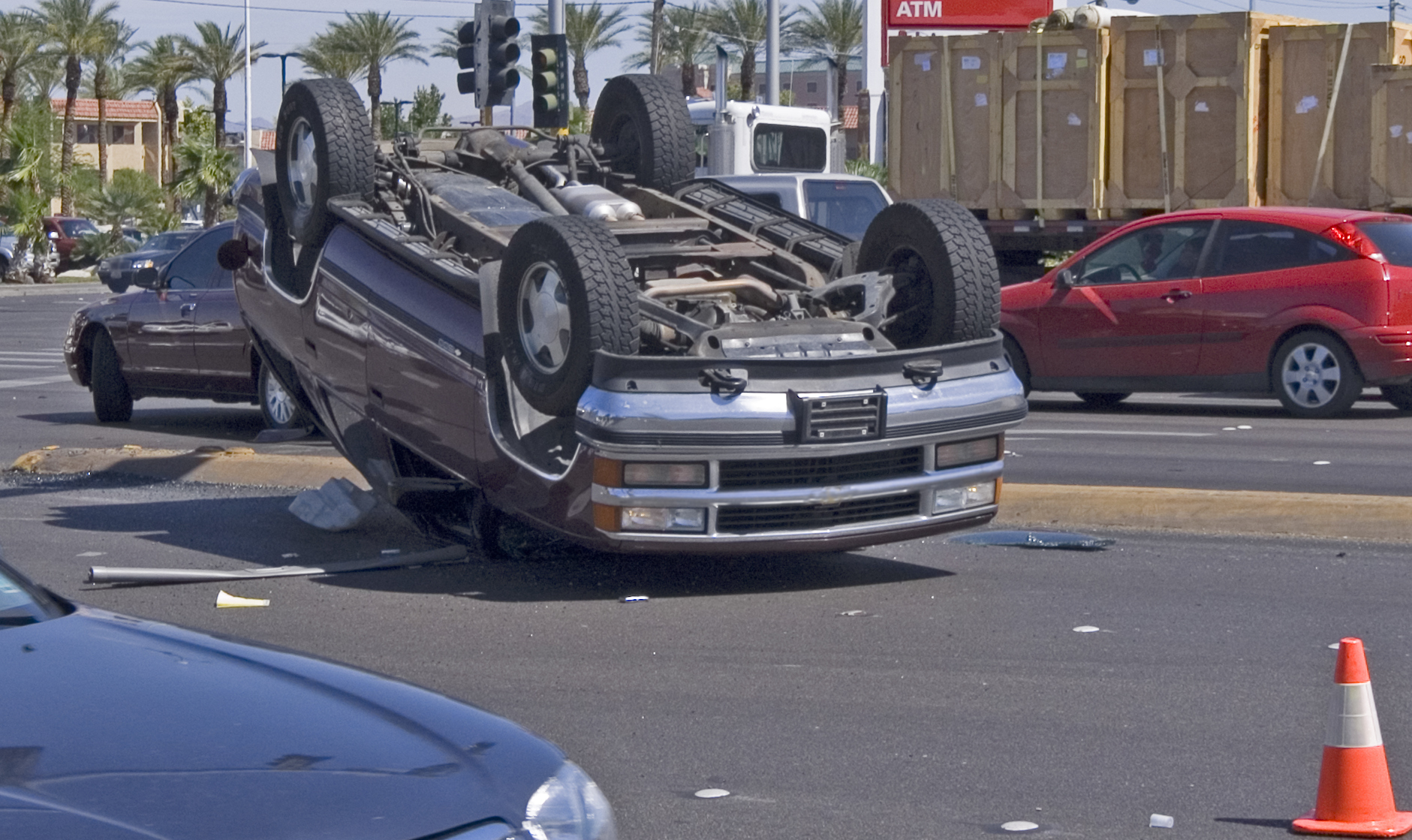
Do not assume that the process will be the same for every accident. The differences in insurance coverage, liability, and documentation can affect the outcome of your claim. By understanding these distinctions, you can make informed decisions about how to proceed. Whether you were riding with a friend or using a rideshare app, knowing your options is the first step toward protecting your rights.
Ultimately, the choice between pursuing a private-car claim or a rideshare claim is not always yours to make - it depends on the circumstances of the accident. But being prepared and knowing what to expect can reduce stress and help you achieve a fair resolution. If you have questions about your specific situation, speaking with a qualified attorney can provide clarity and direction. The Jagroop Law Office, Inc. is one resource for those in the Union City area who need guidance after a passenger injury accident.